The Complete Guide to Buying Second-Hand Wedges
Wedges – the basics
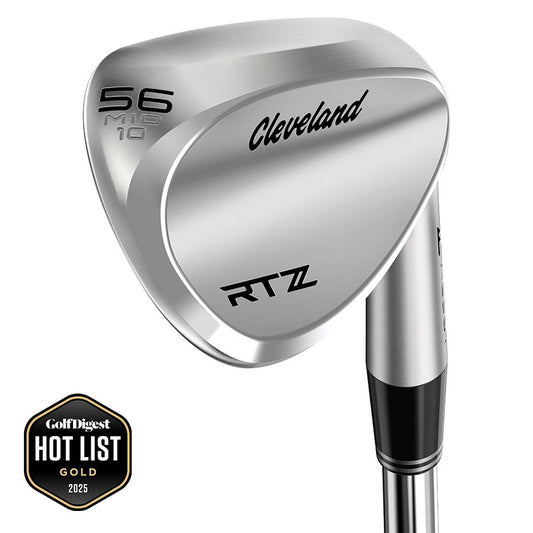
Wedges are essential for short-game control, used for pitching, chipping, bunker shots, and approach play. Because wedges are highly dependent on groove condition, they require a bit more attention than other clubs when buying second-hand.
Types of Wedges
- Pitching wedge (PW): ~44°–48°
- Gap/approach wedge (GW/AW): ~50°–54°
- Sand wedge (SW): ~54°–58°
- Lob wedge (LW): ~58°–64°
Each wedge type is designed for a specific shot and distance range. Choosing the right combination helps you cover gaps and control trajectory around the green.
What to Look for When Buying Second-Hand Wedges
Grooves:
- Must be clearly defined; excessive wear reduces spin and control.
Bounce:
- Low bounce: Suited to firmer turf or tight lies
- High bounce: Suited to softer turf or fluffy sand
Overall condition:
- Minor cosmetic marks are acceptable
- Avoid wedges with worn faces or damaged grooves
Choosing Wedges by Ability
Beginners
- Start with a pitching wedge and sand wedge
- Higher bounce for versatility across lies
High-Handicap Golfers
- Simple wedge setup, focus on clean, consistent contact
- One or two wedges are usually enough
Mid-Handicap Golfers
- Full wedge gapping to cover all distances
- Choose bounce that matches your typical turf conditions
Second-Hand vs New Wedges
Second-hand wedges:
- Excellent value if grooves are in good condition
- Suitable for casual or improving golfers
- Ideal for filling gaps in your set without high cost
New wedges:
- Provide perfectly sharp grooves for maximum spin and control
- Allow custom fitting for loft, bounce, shaft, and grip
- Offer consistent performance for frequent players and competitors
- Longer lifespan before noticeable wear
In short, second-hand wedges are great for affordability and practicality, while new wedges are worth considering if you want precision, customisation, and long-term performance.
Final Thought
Whether you choose second-hand or new wedges, the key is selecting clubs that suit your ability, short-game needs, and course conditions. Both options can help improve your scoring — second-hand for value and practicality, new for precision and customisation.